SLD Skyline Dynamics Company for Contracting



Fire alarm systems
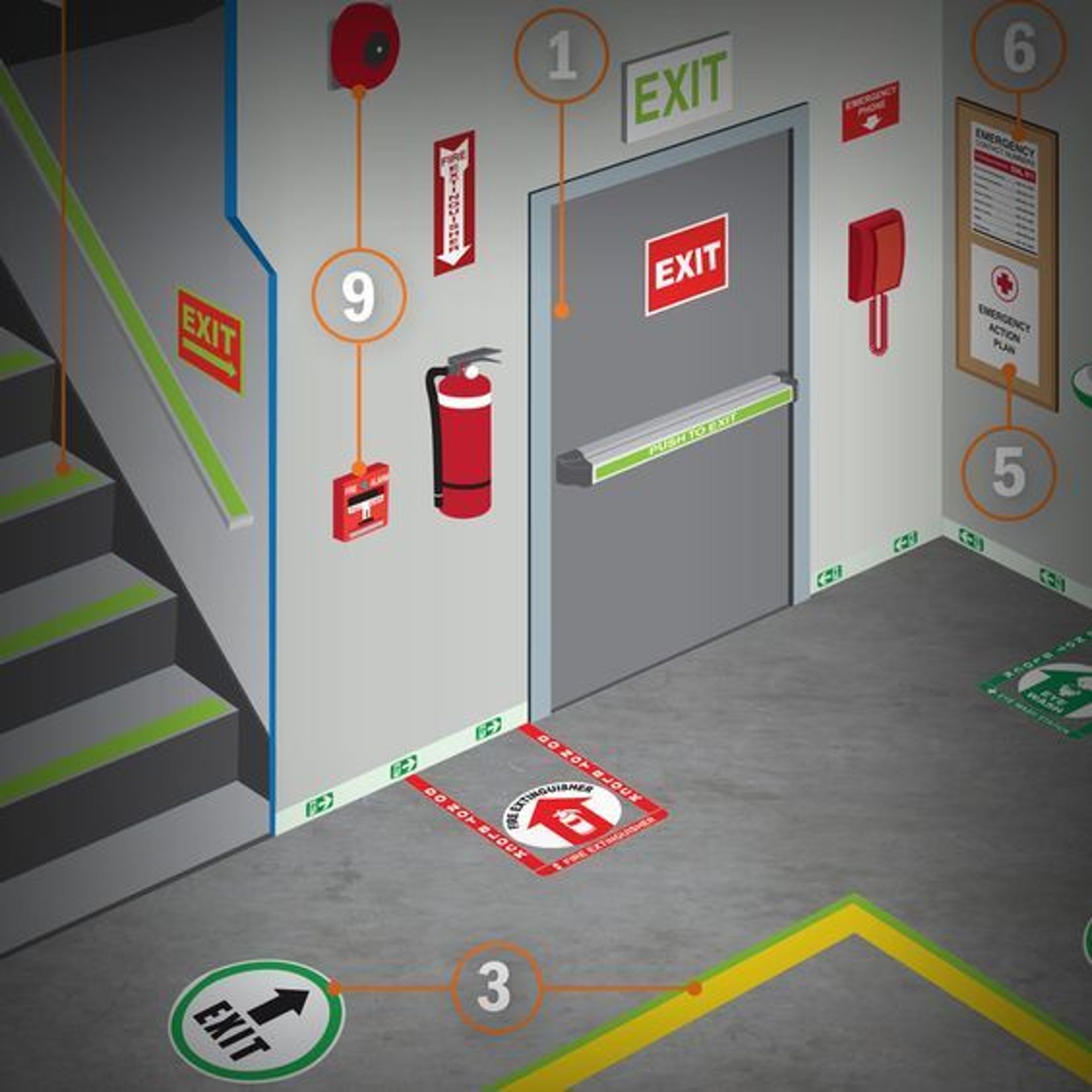
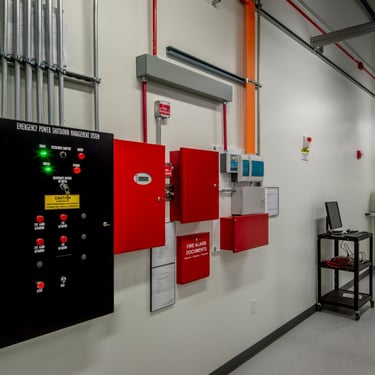
Fire alarm systems are considered the "first line of defense" for protecting lives and property. Their primary role is not to extinguish fires, but to detect them early and alert those present to evacuate immediately.
Types of fire alarm systems
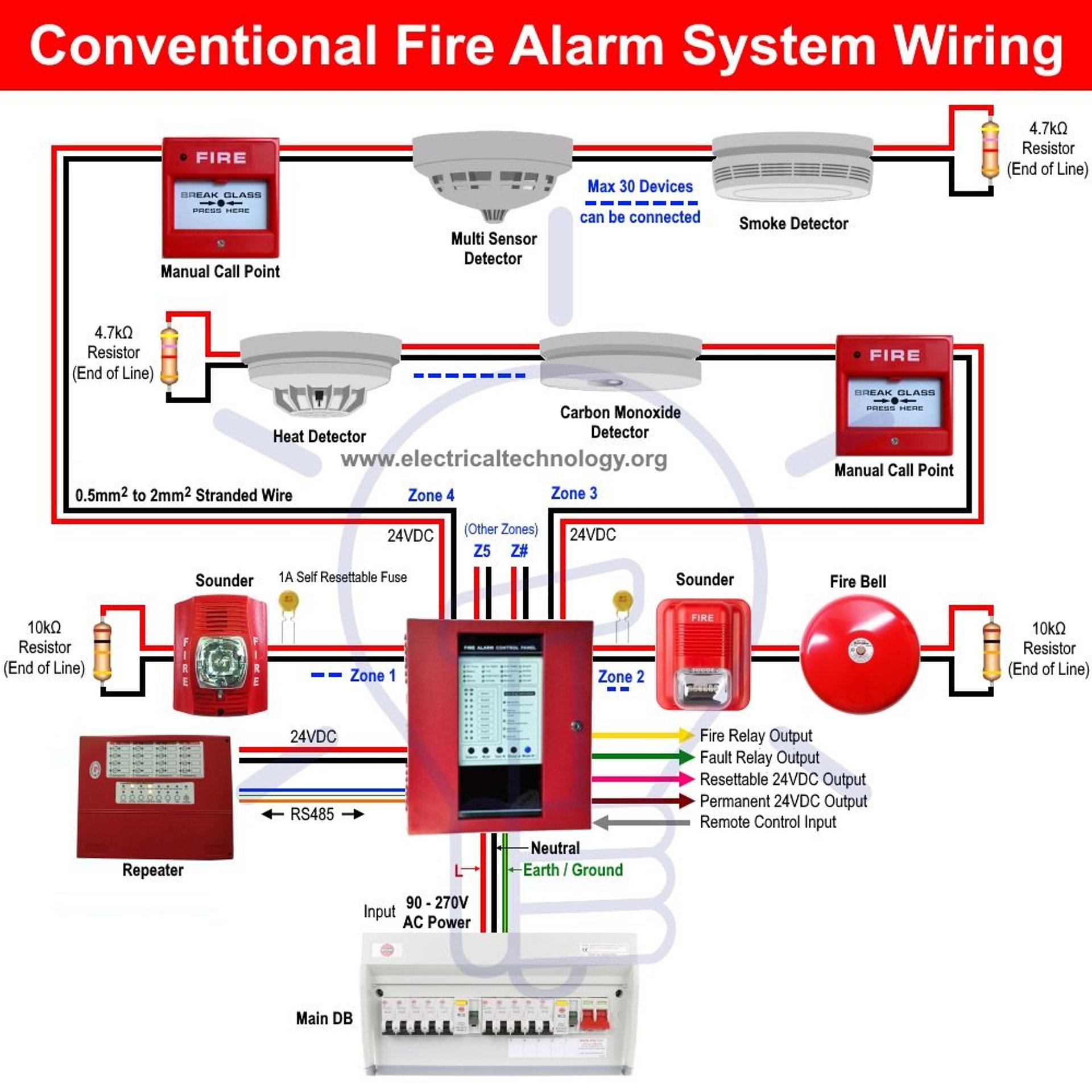
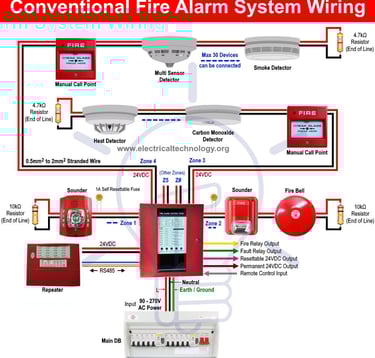
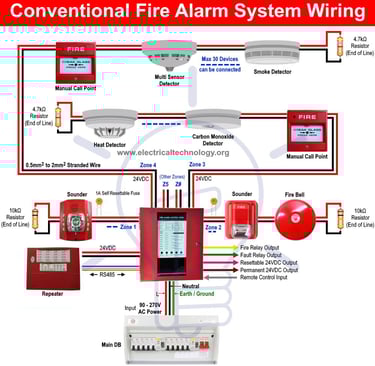
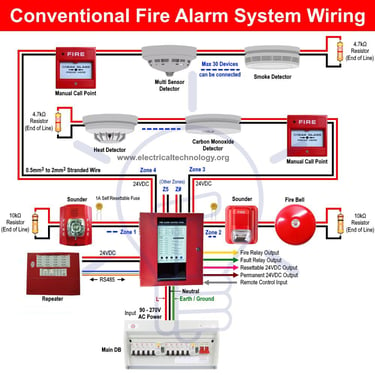
Conventional System
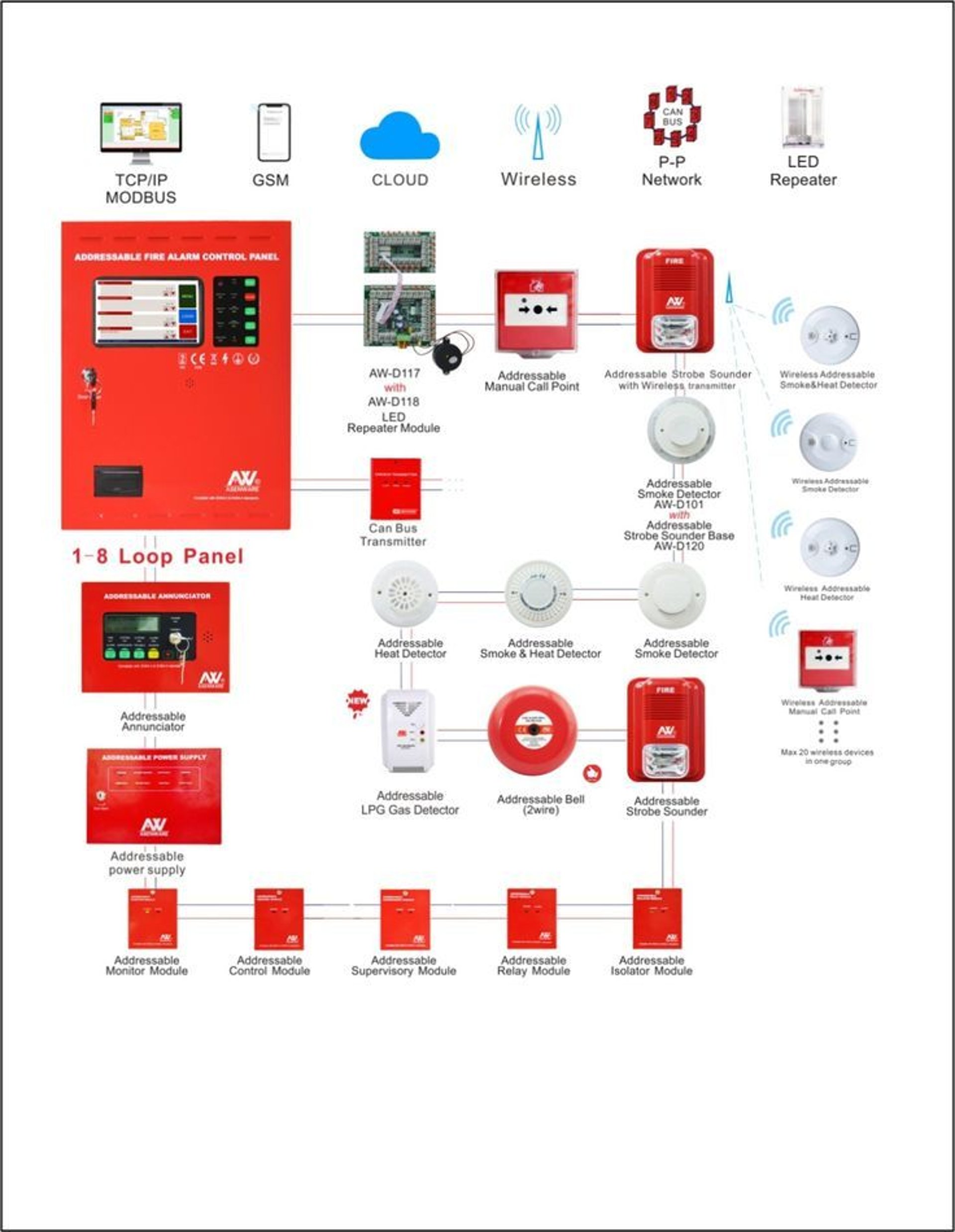
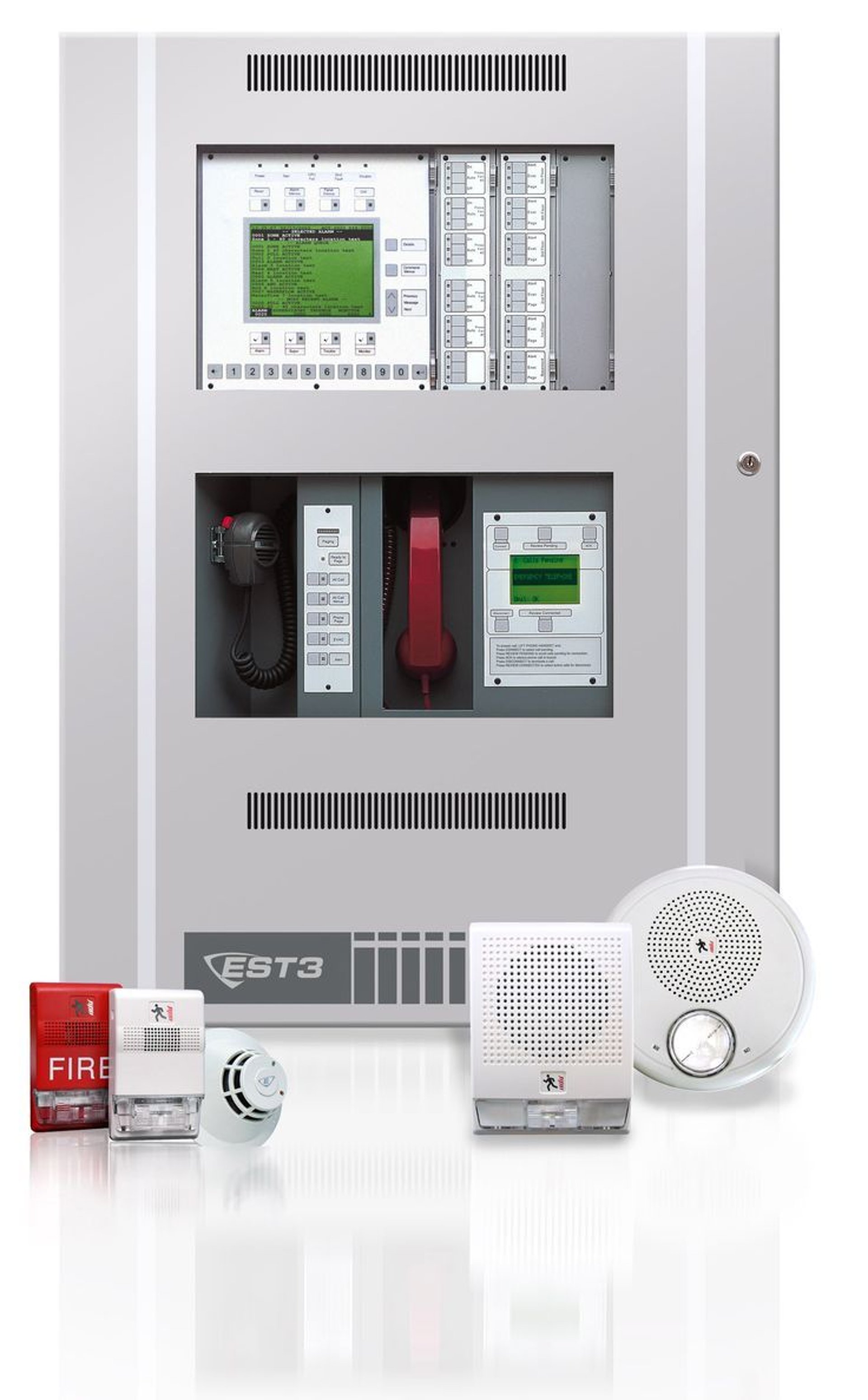
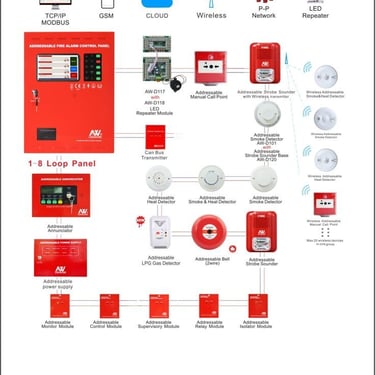
Addressable System
How it works: The building is divided into zones. If a fire occurs, the panel will tell you that there is a fire in, for example, "Zone 1," but it doesn't specify the exact room or detector.
Uses: Small buildings, shops, and simple warehouses.
Advantages: Low cost and easy installation.
How it works: Each smoke or heat detector has its own unique address and number. When a fire occurs, a precise message appears on the screen (e.g., Fire in Room 402, 4th Floor).
Uses: Hotels, hospitals, and large buildings.
Features: High accuracy and easy tracing of the source of the danger.
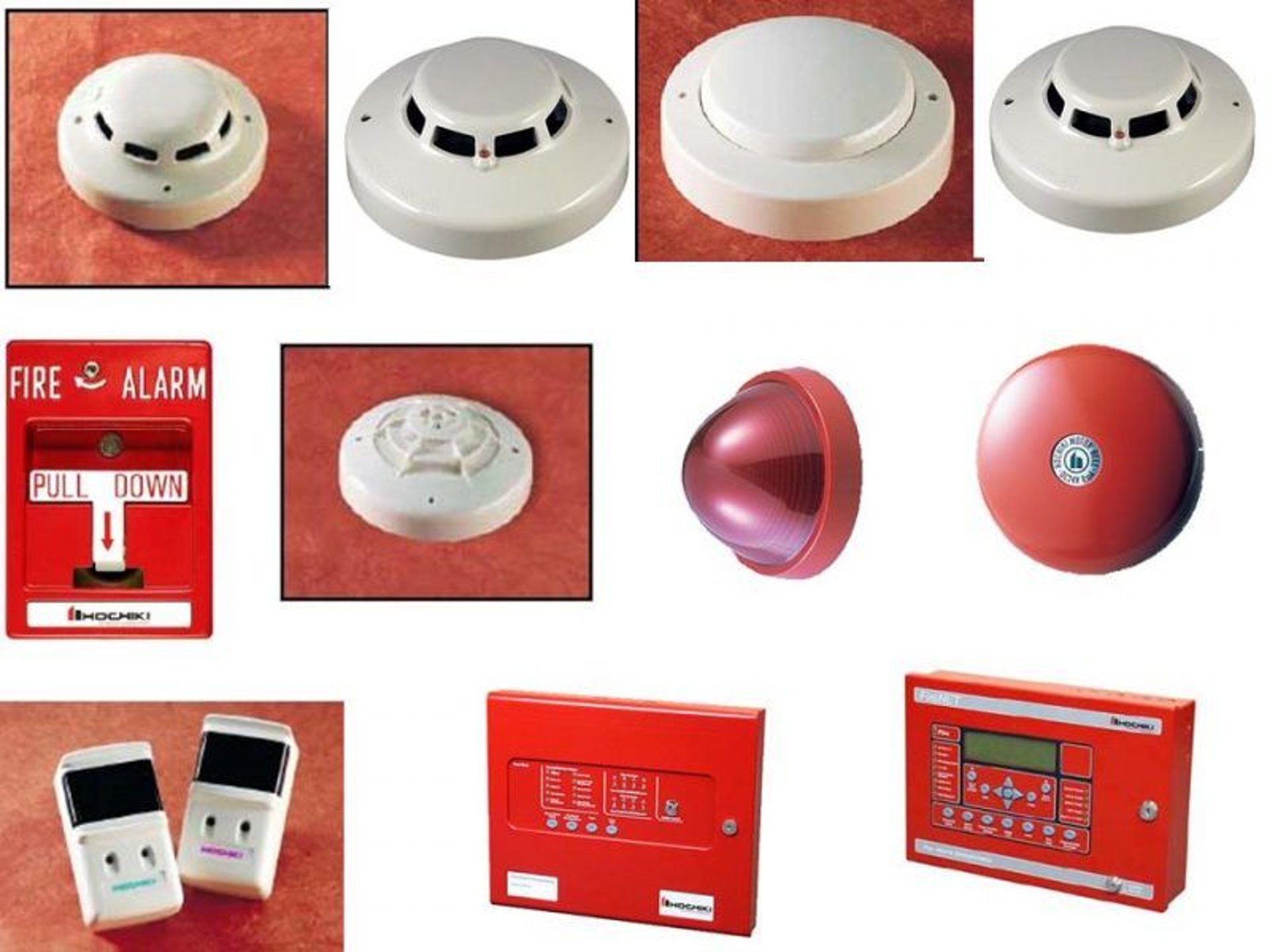
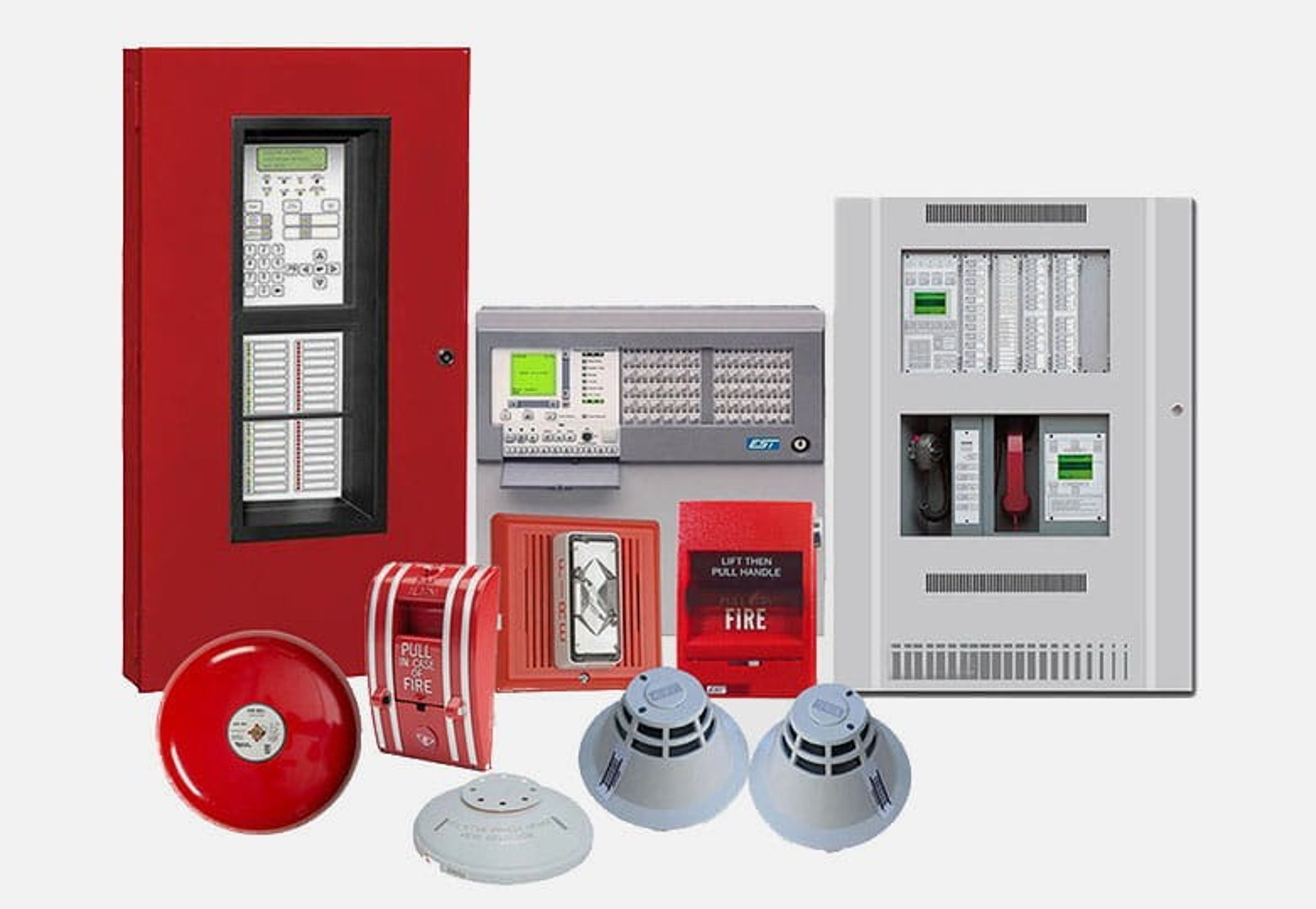
Basic components of the system
Any alarm system consists of three interconnected components:
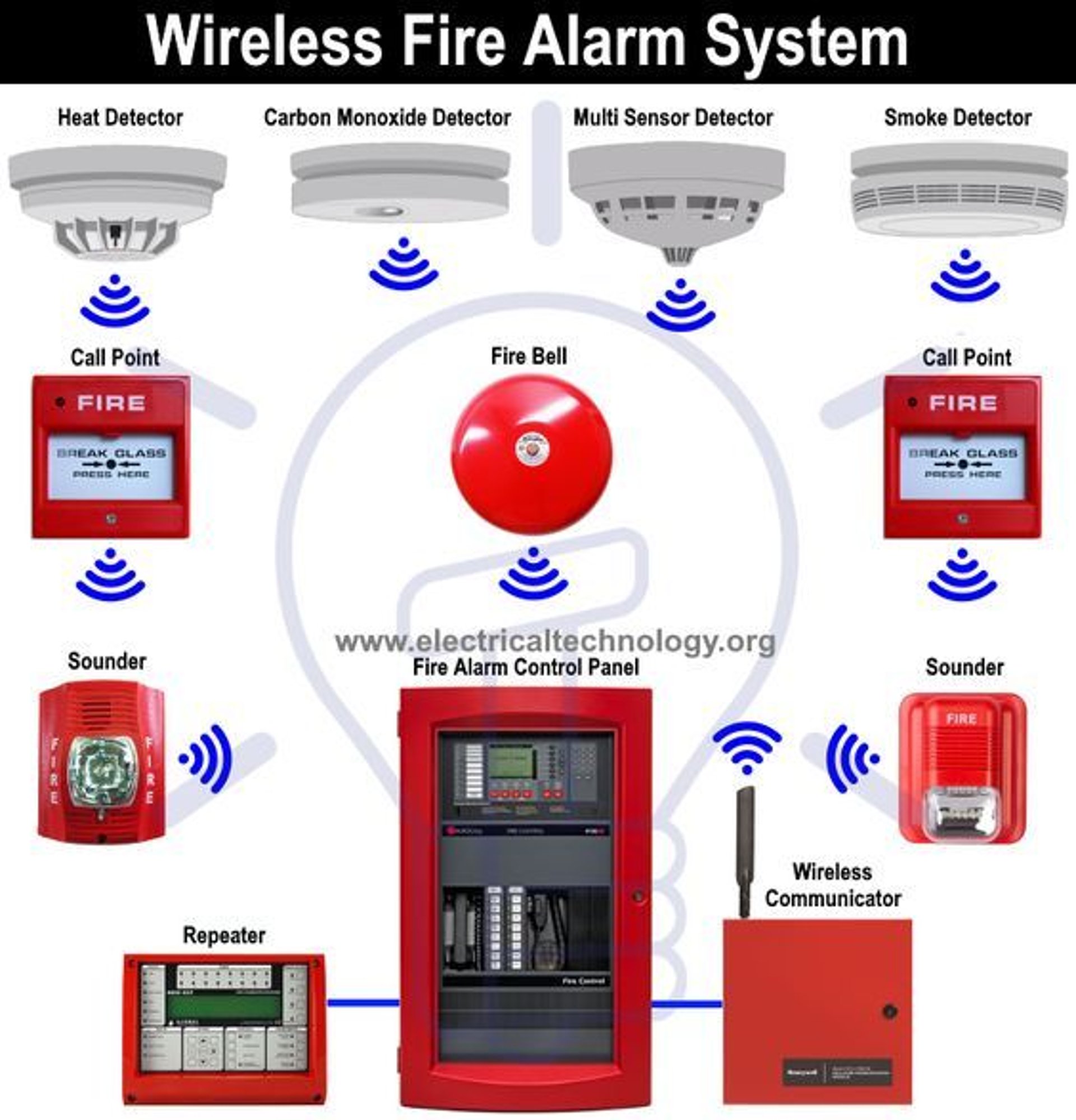
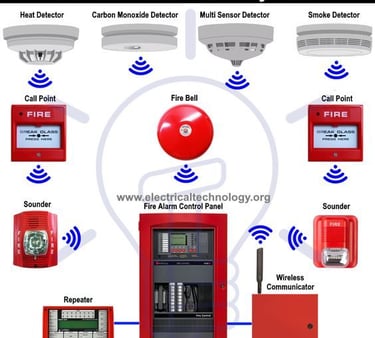
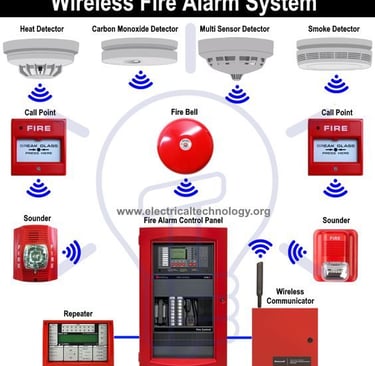
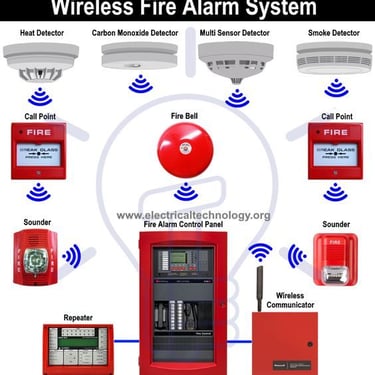
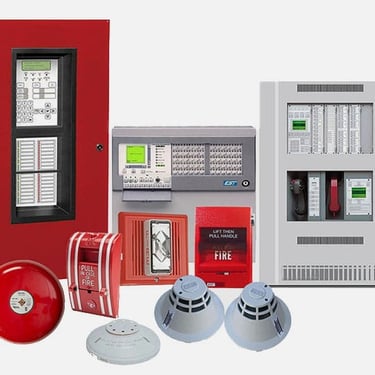
Input Units (Sensors):
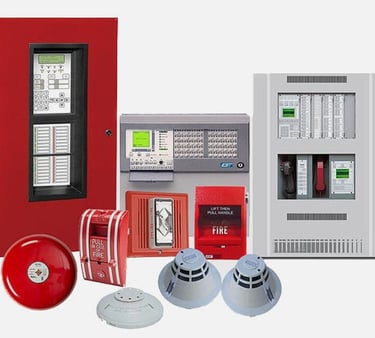
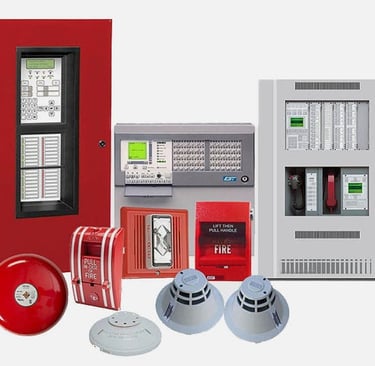
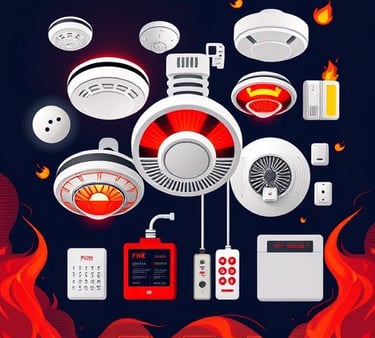
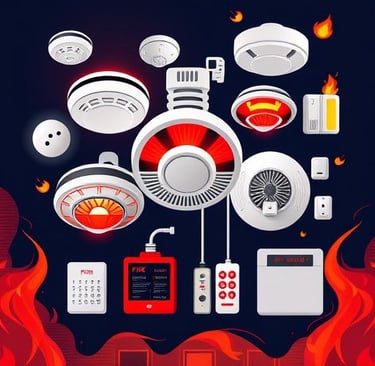
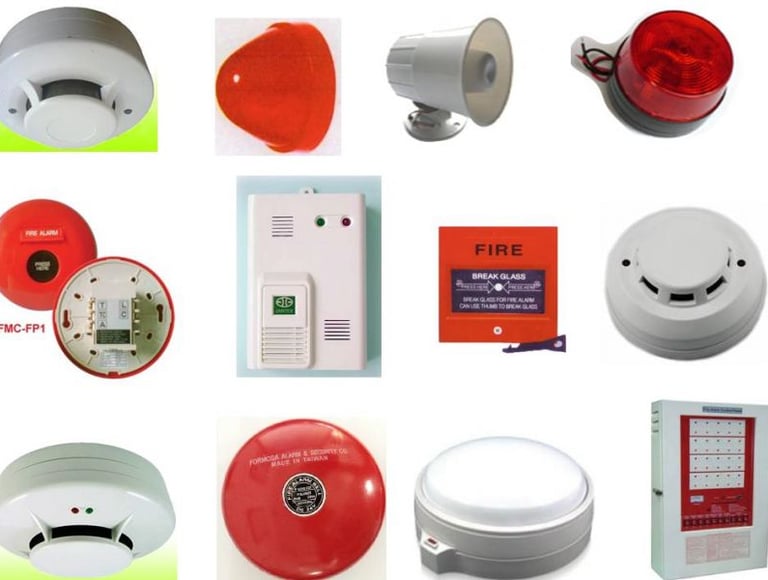
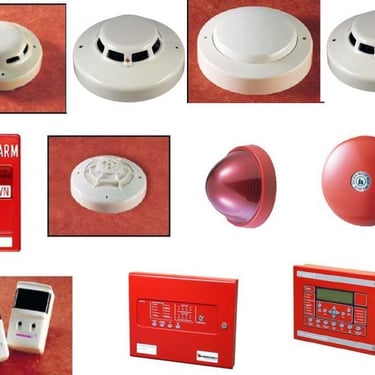
Smoke Detector: The most common type, it detects smoke particles.
Heat Detector: Used in areas with high levels of steam or dust (such as kitchens) to prevent false alarms.
Manual Call Point: For manual activation of the alarm by personnel. Control Panel (Brain):
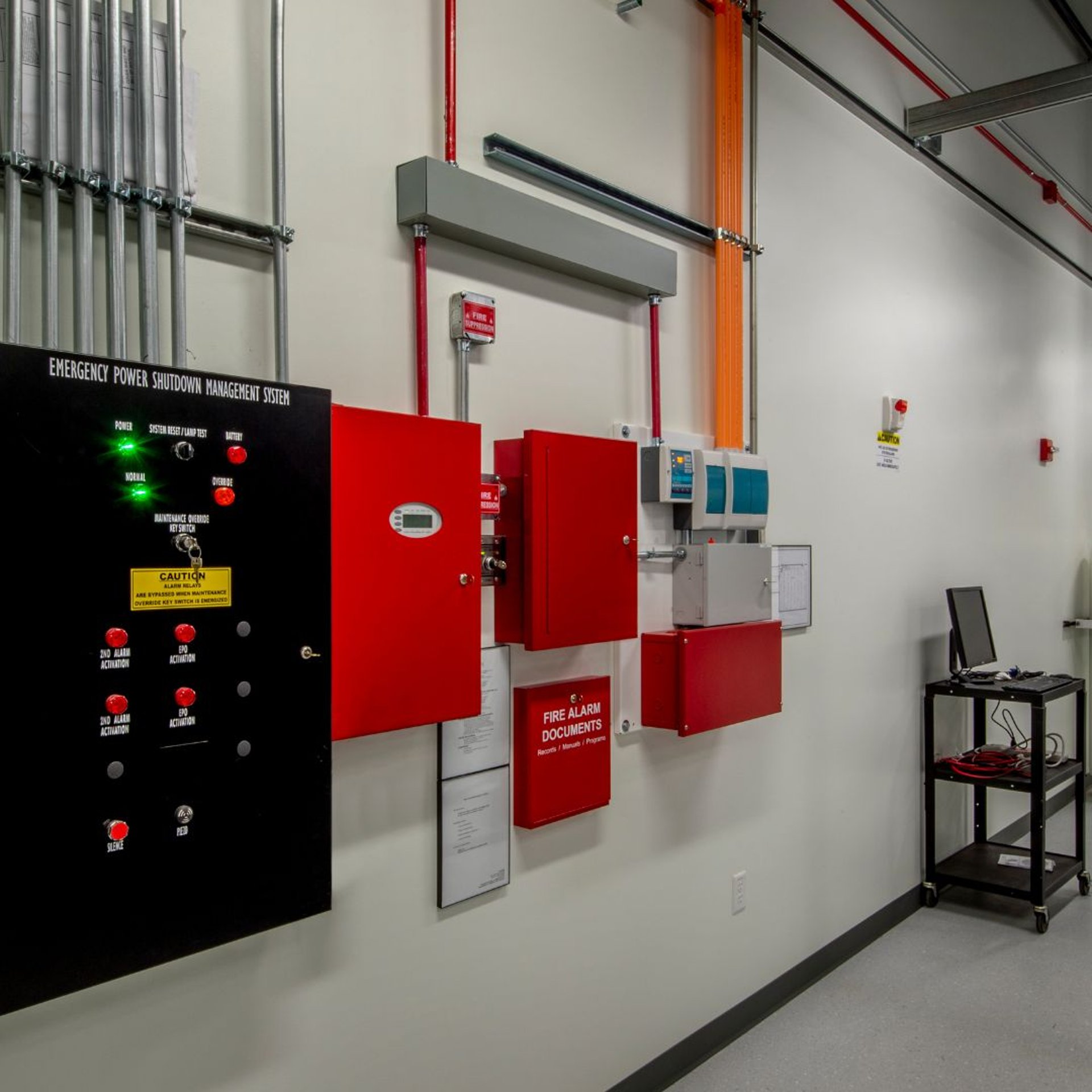
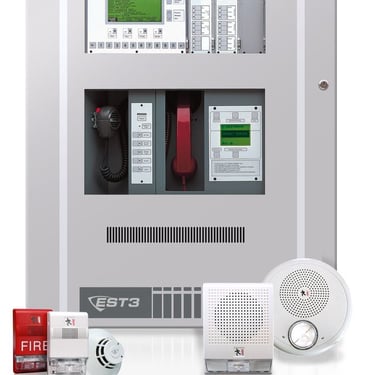
Receives the signal from the detectors, analyzes it, and then commands the alarm system to operate. It also monitors the battery and wiring status.
Output Units (Alarms): Siren: For an audible alert.
Strobe Light: A visual alert for the hearing impaired or in noisy environments.
Important safety tips
Fire alarm systems are considered the "first line of defense" for protecting lives and property. Their primary role is not to extinguish fires, but to detect them early and alert those present to evacuate immediately.
Regular Maintenance: The control panel and detectors should be inspected every 3 to 6 months to ensure they are free of dust that could impair sensor functionality.
Power Supply: Always ensure the control panel has backup batteries to guarantee system operation during power outages.
Avoid False Alarms: Do not place the smoke detector directly above the stove or in areas with heavy smoking.
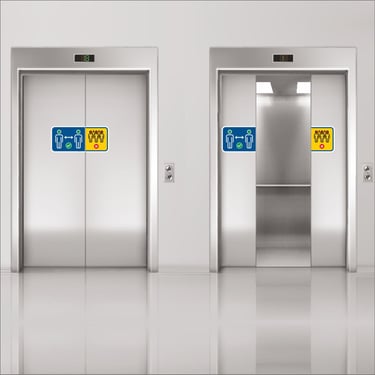
Note: In large projects, the alarm system is often integrated with other systems such as elevators (to lower them to the ground floor) and air conditioning systems (to shut them off and prevent smoke from spreading).
We are here to serve you anytime you need help.
Head Office: Kingdom of Saudi Arabia - Riyadh - Al Rabwah - Bay Al Ghaffari Street
Saturday to Thursday, 9:00 AM to 6:00 PM
Telephone: +20 103 159 9813 - Fax: +20 103 159 9813
Email : sld@skylinedynamics26.com